Flower encyclopedia
Rose: Meaning, Colours, Varieties & Care Guide
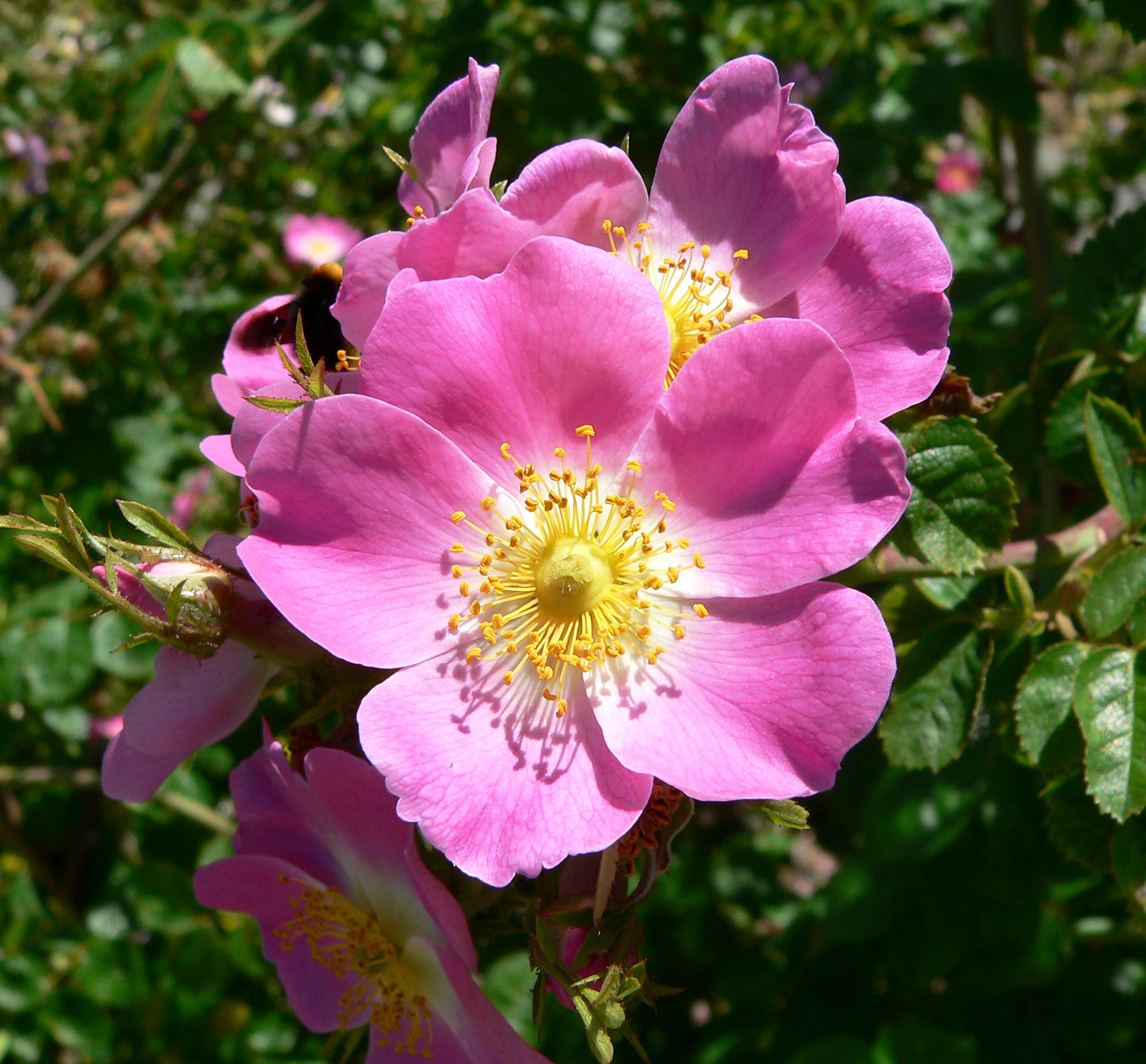
A rose is a woody flowering plant in the genus Rosa (family Rosaceae). Florists usually mean cultivated cut roses — hybrid teas, spray roses and garden-style roses — rather than wild species roses.
Rose at a glance
A rose is a flowering plant in the genus Rosa, widely grown and used as a cut flower. Roses are available in many colours and are traditionally associated with love, affection, celebration and remembrance depending on colour and cultural context. Commercial cut roses are produced year-round in greenhouses and export regions, so florist availability is not limited to a local garden season.
- Flower
- Rose
- Botanical name
- Rosa
- Family
- Rosaceae
- Colours
- Red, Pink, White, Yellow, Orange, Peach, Lavender / purple
- Typical season
- Garden roses peak in warm months; commercial cut roses are available all year through greenhouse and import supply.
- Fragrance
- Varies by cultivar — from nearly scentless modern hybrids to strongly fragrant garden and English roses.
- Popular for
- romantic, anniversary, valentines-day, birthday, wedding
- Vase life
- Typically several days to about a week or more with clean water, recut stems and cool placement. Exact days vary by cultivar, harvest stage and care — do not treat any single number as guaranteed.
What is a rose?
Roses have been cultivated for thousands of years in Asia, the Middle East and later Europe. Today the genus includes hundreds of species and many thousands of cultivars. Most supermarket and florist roses are modern hybrids selected for stem length, colour, bud form and shipping toughness rather than for the scent of an old garden rose.
A typical cut rose has a woody stem, compound leaves and a flower that may be a tight hybrid-tea bud or a looser, many-petalled garden form. Colour ranges from deep red and pink through white, cream, yellow, orange, peach and lavender. Fragrance varies widely: some cultivars are strongly scented, many modern cut roses are only lightly scented or nearly scentless.
Roses grow in temperate climates worldwide. Outdoor garden flowering is usually strongest from late spring through autumn in the Northern Hemisphere, and in the opposite months in Australia. That garden calendar is not the same as florist supply. Large volumes of cut roses are grown in equatorial highland regions such as Colombia, Ecuador and Kenya, and in Dutch and other greenhouse systems, then shipped to wholesalers.
Roses remain popular because they are instantly recognised, photograph well, and carry a long history of gift-giving. They also travel reasonably well when harvested at the right bud stage and kept cool — which is why they dominate Valentine's Day, anniversary and mixed-bouquet work.
Origin: Wild roses are native mainly to Asia, with species also in Europe, North America and North Africa. Most modern cut roses are complex hybrids. · Habitat: Temperate gardens, commercial greenhouses, and highland tropical farms used for export production.
What does a rose mean?
Rose symbolism is widely shared in Western gifting, but it is not a universal language. Victorian floriography, religious art, and modern florist marketing have all shaped the associations people expect today. Colour, number of stems, and the relationship between giver and recipient matter as much as the flower itself.
Red roses are traditionally associated with romantic love and deep affection. Pink roses are often used to express admiration, gratitude or gentler affection. White roses are frequently chosen for weddings, new beginnings and remembrance. Yellow roses are commonly linked with friendship and joy, though older European traditions sometimes connected yellow with jealousy — context matters.
Orange and coral roses are often used for enthusiasm and passion. Peach roses can read as sincerity or sympathy depending on the arrangement. Lavender or purple roses are sometimes associated with enchantment or love at first sight in modern florist copy. None of these meanings is obligatory; they are cultural conventions, not botanical facts.
Rose colours
Red
Often used to express romantic love and deep affection
Often chosen for romantic, anniversary, valentines-day
Pink
Traditionally associated with admiration, gratitude and gentler affection
Often chosen for birthday, thank-you, mothers-day
White
Often used for purity, elegance, weddings and remembrance
Often chosen for wedding, sympathy, congratulations
Yellow
Commonly linked with friendship and celebration; older meanings vary
Often chosen for birthday, congratulations, just-because
Orange
Often chosen for energy, fascination and warmer passion
Often chosen for congratulations, romantic
Peach
Frequently used for sincerity, sympathy or soft romance
Often chosen for thank-you, sympathy, anniversary
Lavender / purple
Modern florist use often suggests enchantment or uniqueness
Often chosen for wedding, romantic
Rose varieties
Hybrid tea
Classic long-stemmed florist rose with a high-centred bud; the form most people picture as a dozen roses.
Floribunda
Clusters of smaller blooms on one stem; useful for colour and a garden look.
Grandiflora
Taller plants combining hybrid-tea form with clustered flowering.
Garden roses
Looser, many-petalled roses grown for a romantic, old-fashioned look in weddings and luxury bouquets.
Spray roses
Several smaller blooms per stem; popular for texture in mixed arrangements.
English roses
David Austin and similar garden-style groups, often more fragrant, with cupped or rosette form.
When is rose in season?
Local growing season and florist availability are different things. In much of the USA, Canada, the UK and northern Europe, outdoor roses typically flower from late spring until autumn frost. In Australia, the main garden flush is closer to October–May depending on climate zone.
Cut roses for delivery are rarely limited to that outdoor window. Wholesalers buy from greenhouse growers and from export farms near the equator, where day length and highland climate support year-round production. That is why red roses can be ordered in January as well as June.
Price and quality still move with demand and weather. Valentine's Day, Mother's Day and major wedding weekends raise wholesale prices. Heatwaves, transport delays and holiday airport congestion can shorten vase life if the cold chain is broken. Peak-garden months can offer more garden-style and locally grown stems in some markets.
USA
Cut roses are a year-round US florist staple, with a sharp demand spike around Valentine's Day and Mother's Day (second Sunday in May).
canada
Similar year-round import supply; outdoor garden season is shorter in much of Canada than in the southern US.
UK
British-grown garden roses are seasonal; most everyday florist roses are imported. Mother's Day in the UK falls in March (Mothering Sunday), earlier than the US date.
europe
The Netherlands remains a major auction and distribution hub; southern Europe also grows outdoor roses in warmer months.
australia
Seasons are reversed. Local garden roses peak in the Australian spring and summer; imports fill gaps.
UAE
Almost all cut roses are imported. Cooler months are kinder to vase life after delivery; summer heat requires careful handling.
How to care for roses
- Unwrap and recut stems at an angle, then place immediately in clean, lukewarm water.
- Remove leaves that would sit below the waterline to slow bacterial growth.
- Use the flower food packet if supplied, or change water every one to two days.
- Keep the vase away from direct sun, heaters, and ripening fruit (ethylene shortens life).
- If heads droop, recut stems and check that the water is fresh; some tight buds open over several days.
Pet safety: The ASPCA lists roses (Rosa spp.) as non-toxic to dogs and cats. Thorns can still injure mouths and paws, and any plant material can upset a stomach if eaten in quantity.
Pollen: Many modern cut roses produce little obvious pollen compared with lilies. People with strong fragrance sensitivity may still react to highly scented garden roses.
Roses for different occasions
- Red roses remain the most requested anniversary and Valentine's flower in Western markets.
- Soft pinks and mixed palettes often feel more birthday-friendly than a formal dozen reds.
- White roses appear in both wedding and sympathy work — the styling and card message change the reading.
Popular rose bouquets
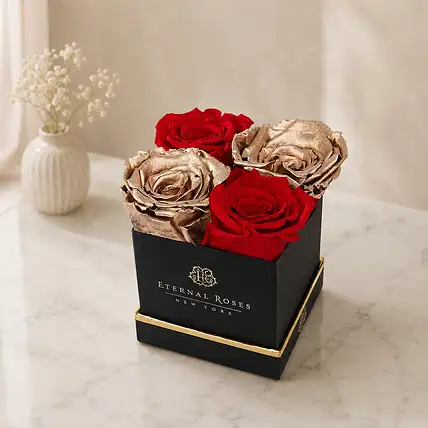
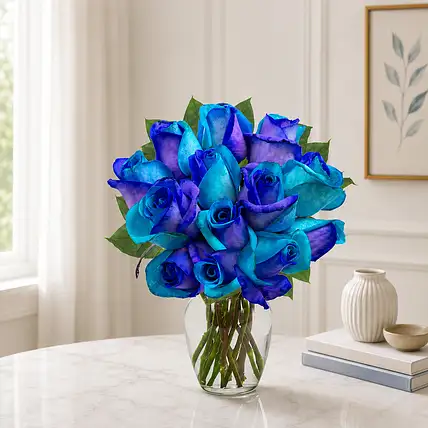
Live BlossomPot products that mention this flower. Availability depends on your delivery location.
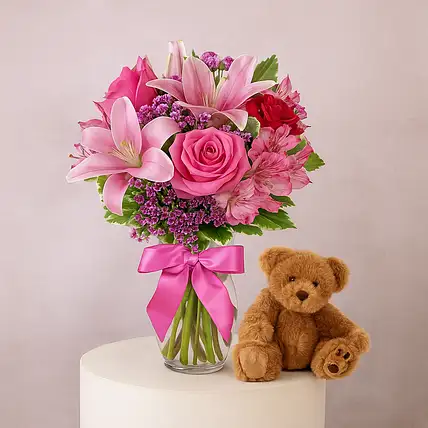
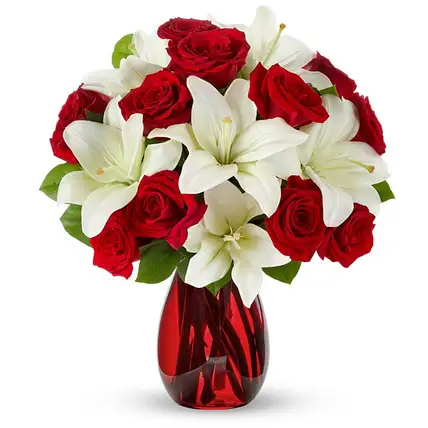
Rose delivery
BlossomPot lists delivery destinations we actually publish. US city pages are gift-delivery destinations. Canada, Australia and Europe city pages explain how to send gifts from those cities to a US address — they are not local florist storefronts we do not operate.
Related flowers
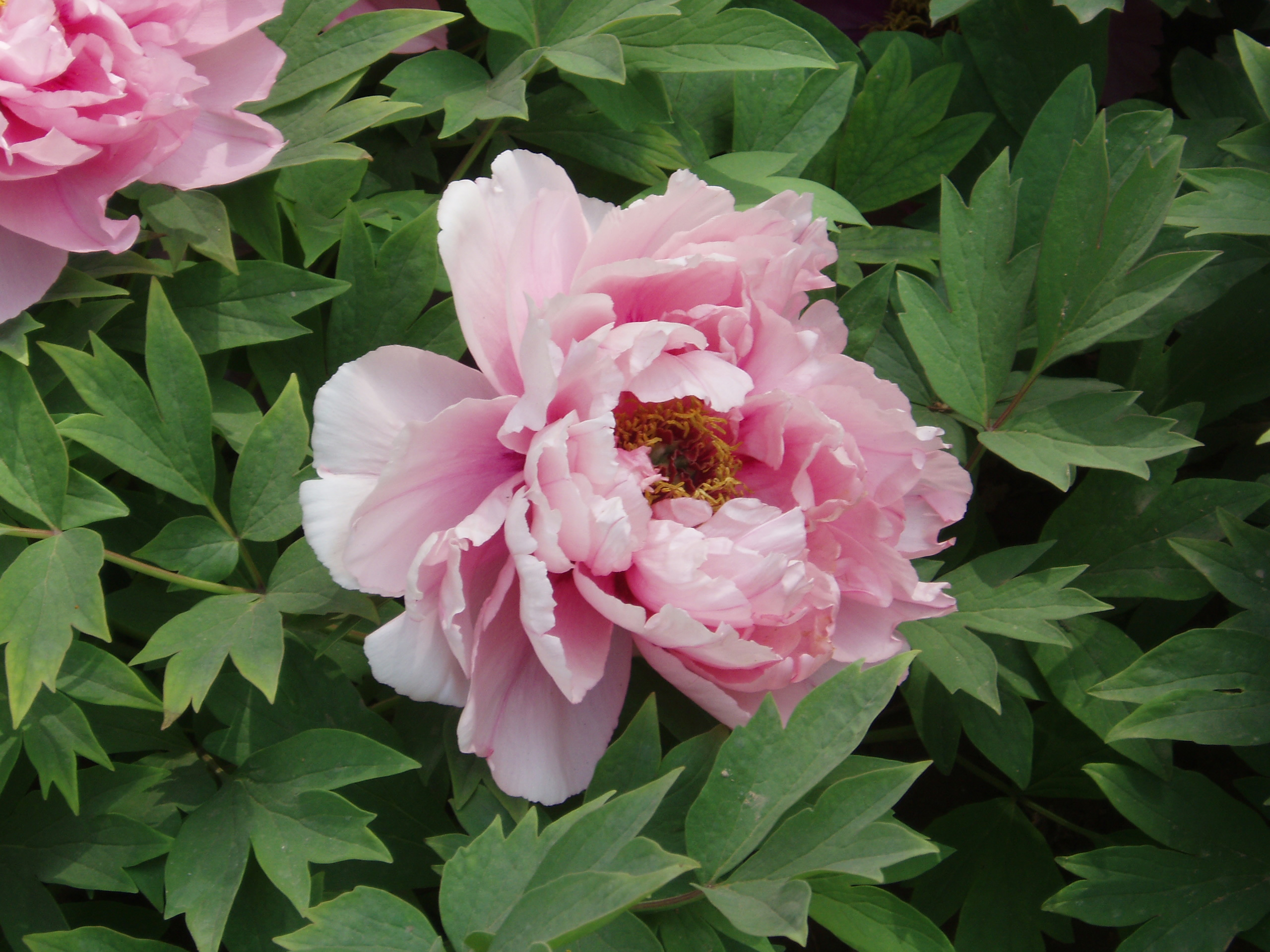
Peony
Lush, short-season bloom prized for weddings and romance.
Colours: pink, white, red, peach
Season: spring, summer
Meaning: Romance, honour, and prosperity
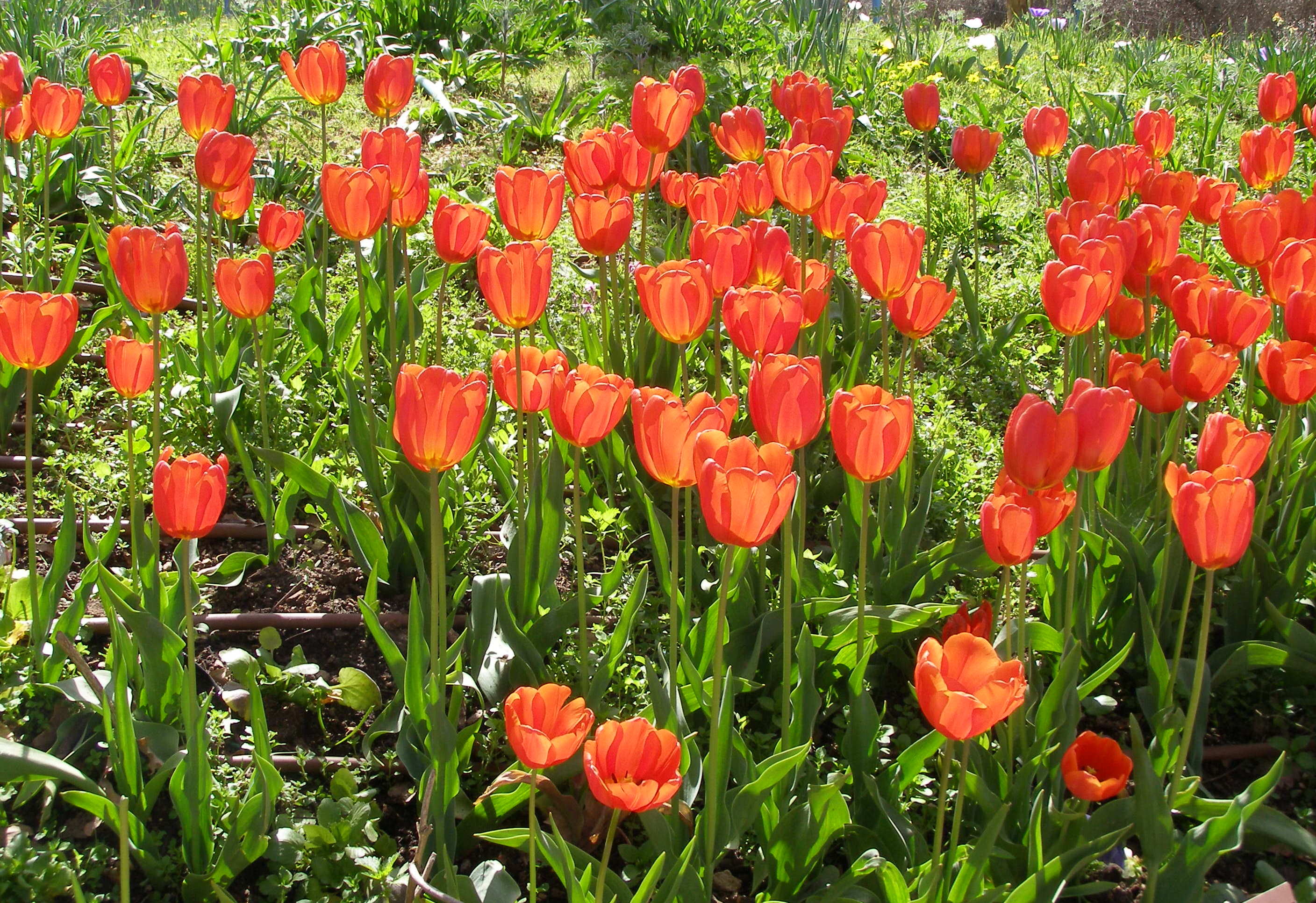
Tulip
Spring bulb flower with many forms, from Triumph to Parrot.
Colours: red, pink, yellow, white
Season: spring, winter
Meaning: Affection and perfect love
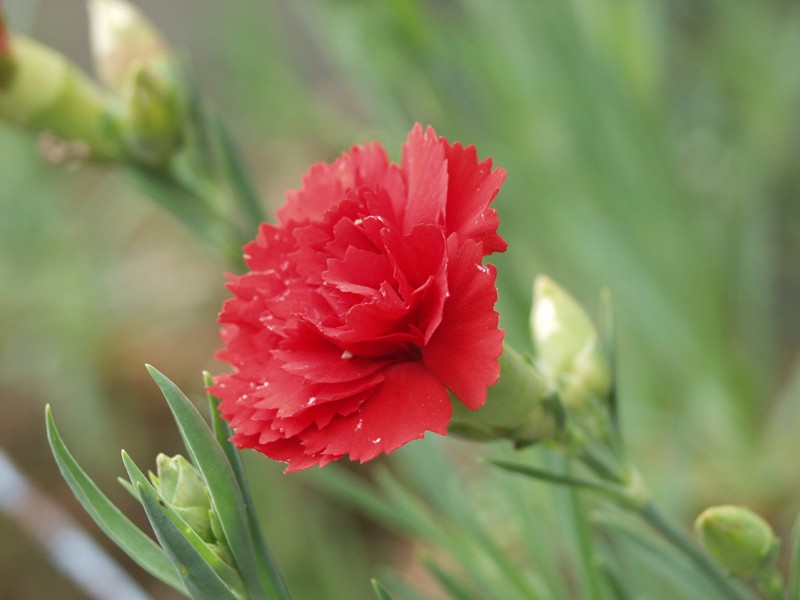
Carnation
Ruffled, long-lasting florist staple with colour-specific meanings.
Colours: red, pink, white, yellow
Season: year-round
Meaning: Love, distinction, and remembrance
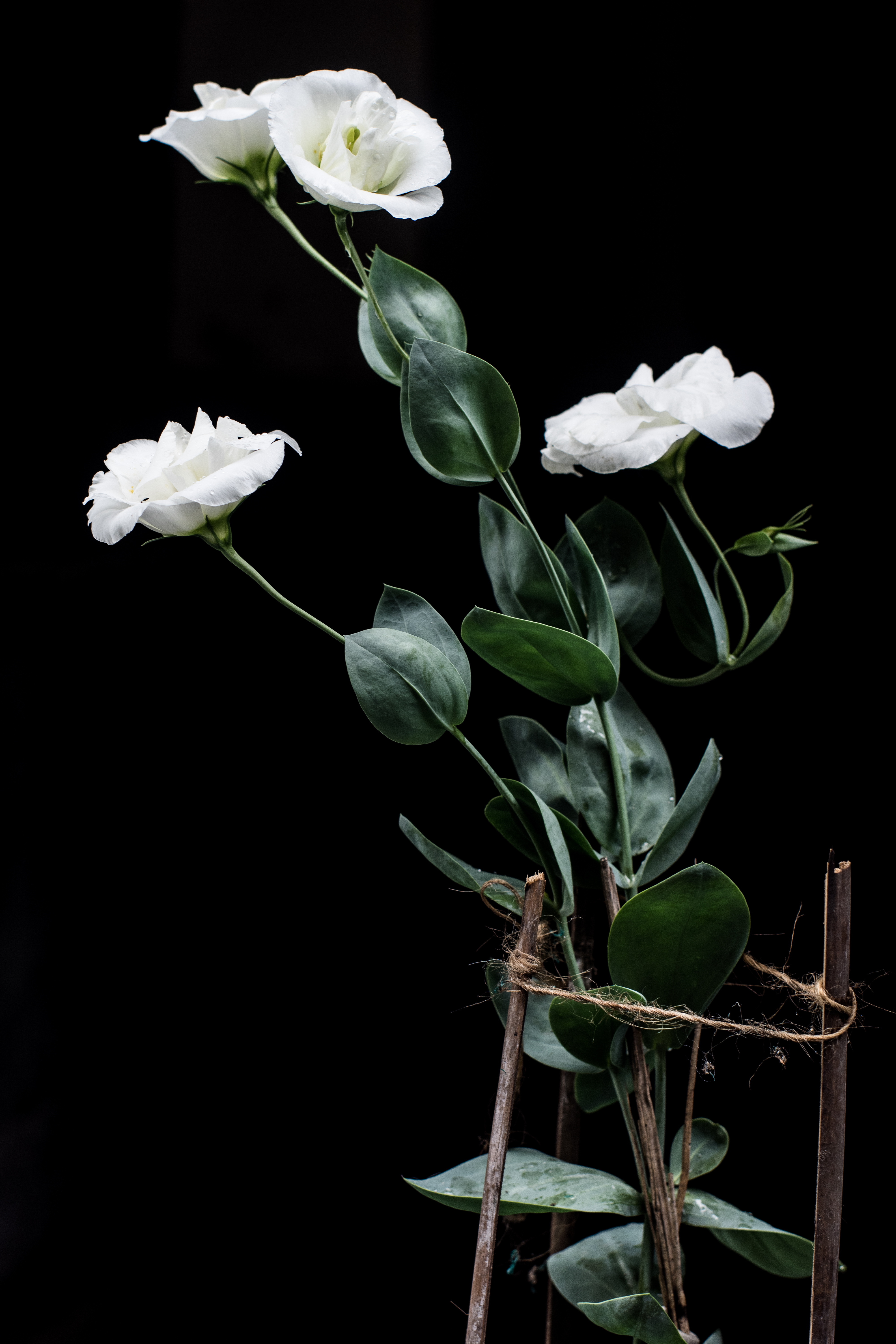
Lisianthus
Rose-like florist flower with a long vase life.
Colours: white, pink, purple, peach
Season: summer, year-round
Meaning: Appreciation and charisma
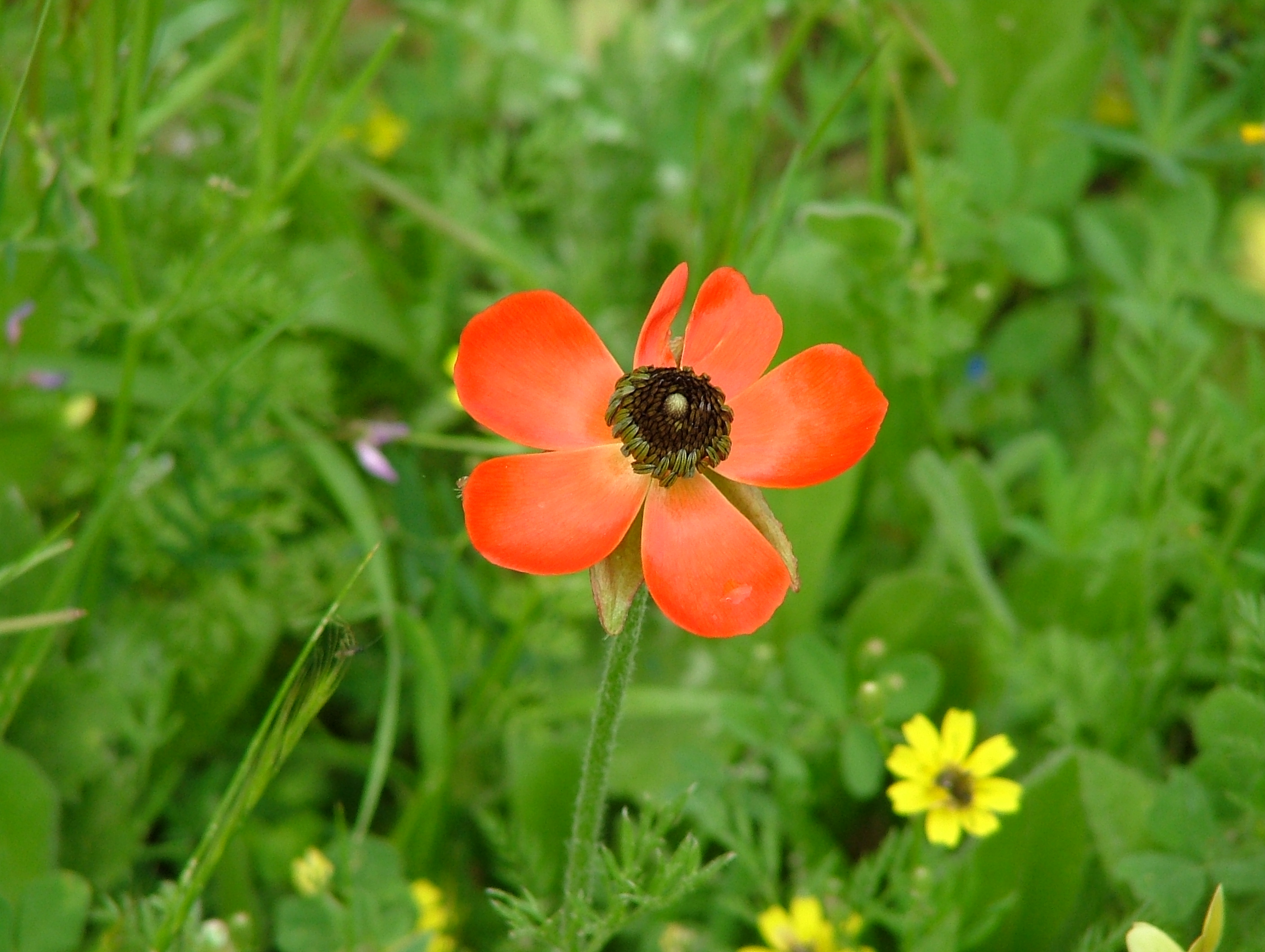
Ranunculus
Layered spring bloom often compared with peonies and roses.
Colours: pink, peach, white, yellow
Season: spring, winter
Meaning: Radiant charm
Frequently asked questions
Are roses available all year?
Yes, as commercial cut flowers. Local garden roses are seasonal, but florist roses are grown in greenhouses and export farms throughout the year.
How long do roses last in a vase?
With clean water, recut stems and a cool room, many cut roses last several days to around a week. Variety, travel time and care all change the result.
What do red roses mean?
In much of Western gifting they are traditionally associated with romantic love. The meaning is cultural, not scientific, and other colours carry different conventions.
What do white roses mean?
White roses are often used for weddings, elegance and remembrance. In sympathy work they can signal honour or farewell; in bridal work they more often signal formality.
Are roses good for birthdays?
Yes. Pink, mixed or garden-style roses often feel more celebratory than a strictly romantic red dozen, depending on the relationship.
Do roses have a strong fragrance?
Some do. Many modern long-stemmed cut roses are bred more for form and shipping than scent. Ask for garden or English-style roses if fragrance matters.
Are roses safe around pets?
Roses are generally listed as non-toxic to cats and dogs, but thorns are a physical hazard and chewing any plant can cause stomach upset.
Sources & further reading
- Royal Horticultural Society — Rosa
- ASPCA — Rose
- Society of American Florists — flower facts and care guidance
- Kew / botanical references on Rosa distribution and cultivation history
Reviewed by BlossomPot Editorial Team. Updated 2026-08-16. Status: published. Editorial policy