Flower encyclopedia
Tulip: Meaning, Colours, Types & Care Guide
Tulips are bulbous perennials in the lily family. Florists sell them as cut stems that continue to elongate in the vase, and as potted forced bulbs in late winter.
Tulip at a glance
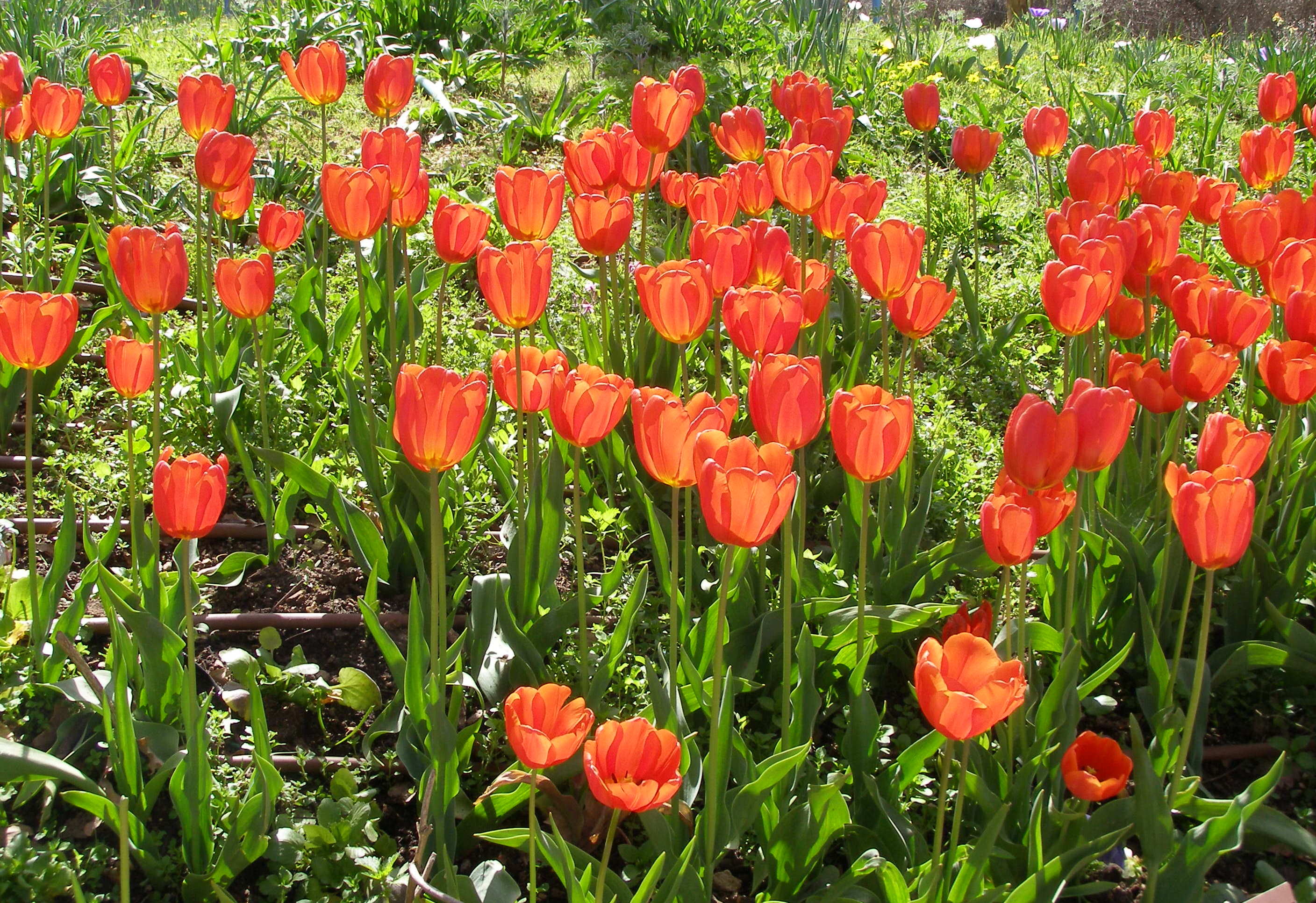
A tulip is a spring-flowering bulb in the genus Tulipa, native to Central Asia and long associated with the Netherlands. Tulips are among the most important commercial cut flowers of late winter and spring. Colour and form vary widely; symbolism is often linked with affection, though it is not universal.
- Flower
- Tulip
- Botanical name
- Tulipa
- Family
- Liliaceae
- Colours
- Red, Pink, Yellow, White, Purple, Orange
- Typical season
- Peak commercial cut-tulip supply is late winter through spring in the Northern Hemisphere; the season reverses in Australia.
- Fragrance
- Usually light; a few cultivars are more noticeably scented.
- Popular for
- birthday, romantic, mothers-day, congratulations, just-because
- Vase life
- Often around five to ten days. Stems keep growing and bending toward light, which is normal rather than a fault.
What is a tulip?
Wild tulips originated in the mountain regions of Central Asia. They reached the Ottoman court and, in the sixteenth and seventeenth centuries, became a European obsession — most famously in the Dutch Republic. The Netherlands remains a major centre of breeding, forcing and export.
A tulip flower is typically cup- or star-shaped with six tepals. Modern groups include Single Early, Double Early, Triumph, Darwin Hybrid, Lily-flowered, Fringed and Parrot tulips. Heights, bloom times and petal shapes differ enough that 'tulip' is a category, not a single look.
Cut tulips are a cool-season crop. They are forced under controlled conditions so that stems can reach markets from mid-winter through late spring in the Northern Hemisphere. Outside that window, supply thins and prices usually rise. Australia’s commercial tulip season sits in the opposite half of the year.
People choose tulips because they feel seasonal and optimistic. They are less formally romantic than red roses for many shoppers, which makes them a frequent birthday, Mother's Day and 'just because' flower.
Origin: Central Asia, with a long history of cultivation in the Ottoman Empire and the Netherlands. · Habitat: Temperate gardens and commercial bulb-forcing operations.
What does a tulip mean?
In modern Western florist use, tulips are often associated with affection, perfect love and spring renewal. The association is younger and looser than rose colour lore.
Red tulips are sometimes described as a declaration of love. Yellow tulips have been linked with cheerful thoughts or, in older lists, hopeless love. White tulips may be used for forgiveness or respectful affection. These readings vary by source and should be treated as tradition, not fact.
In the Netherlands and much of Europe, tulips also carry a national and seasonal identity that has little to do with romance — they simply mark the arrival of spring.
Tulip colours
Red
Often used for affection or a warmer romantic note
Often chosen for romantic, birthday
Pink
Soft affection, birthdays and spring gifts
Often chosen for birthday, mothers-day
Yellow
Cheer and sunshine; older meanings differ
Often chosen for just-because, congratulations
White
Respect, calm elegance or apology in some traditions
Often chosen for thank-you, sympathy
Purple
Often chosen for a more regal or modern look
Often chosen for congratulations
Orange
Energy and warmth
Often chosen for birthday, just-because
Tulip varieties
Single Early
Shorter stems and cup-shaped flowers; among the first groups forced for late winter.
Double Early
Peony-like layered petals on relatively short stems.
Triumph
The main commercial cut group — mid-season, strong stems, wide colour range.
Parrot
Twisted, ruffled tepals; dramatic in boutique bouquets.
Lily-flowered
Pointed, reflexed tepals that look more elegant and elongated.
When is tulip in season?
Tulips are a classic example of why 'in season' needs two answers. Outdoors they bloom in spring. Commercially they are forced so that cut stems appear in shops from roughly January to May in the US, Canada, the UK and much of Europe.
Greenhouse and cold-storage techniques extend the window, but summer and early autumn are not natural tulip months in the north. Some product can still be imported from the opposite hemisphere.
Price is usually lowest and quality highest in the core spring window. Heat after delivery makes tulips open and flop faster.
USA
Strong late-winter and spring presence; a frequent Mother's Day option when the US date falls in May.
canada
Similar forcing calendar to the northern US; outdoor bloom is later in colder provinces.
UK
A defining British spring flower. Local and Dutch supply is abundant from late winter.
europe
The Netherlands dominates breeding and export; tulip season is a cultural event as well as a crop.
australia
Local tulip festivals and cut supply sit in the Australian spring (roughly September–November).
UAE
Imported during the Northern Hemisphere season; indoor air-conditioning helps vase life.
How to care for tulips
- Recut stems and use a clean, fairly deep vase — tulips are thirsty and keep growing.
- Cool water and a cool room slow opening. Avoid deep warm water if you want them to last.
- Do not mix freshly cut tulips with freshly cut daffodils unless the daffodils have been conditioned separately; narcissus sap can shorten other flowers' life.
- Support floppy stems with a taller vase rather than wiring, unless a designer has already structured the bunch.
Pet safety: The ASPCA lists tulips as toxic to dogs and cats. The bulb contains the highest concentration of tulipalin A; keep discarded bulbs and leaves away from pets.
Pollen: Generally lower-drama than lilies, but any cut flower can bother highly sensitive people.
Tulips for different occasions
- Tulips feel seasonal and optimistic, which suits birthdays and spring congratulations.
- They can be romantic, but they read less formal than a dozen red roses for many recipients.
Popular tulip bouquets
Live BlossomPot products that mention this flower. Availability depends on your delivery location.
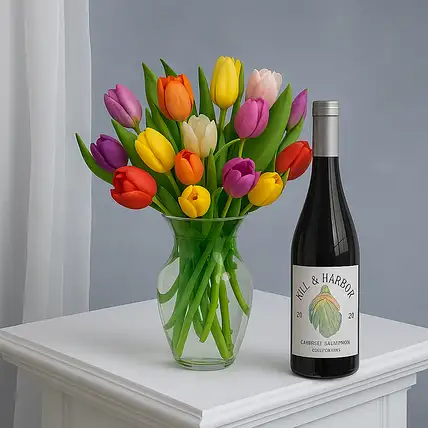


Tulip delivery
BlossomPot lists delivery destinations we actually publish. US city pages are gift-delivery destinations. Canada, Australia and Europe city pages explain how to send gifts from those cities to a US address — they are not local florist storefronts we do not operate.
Related flowers
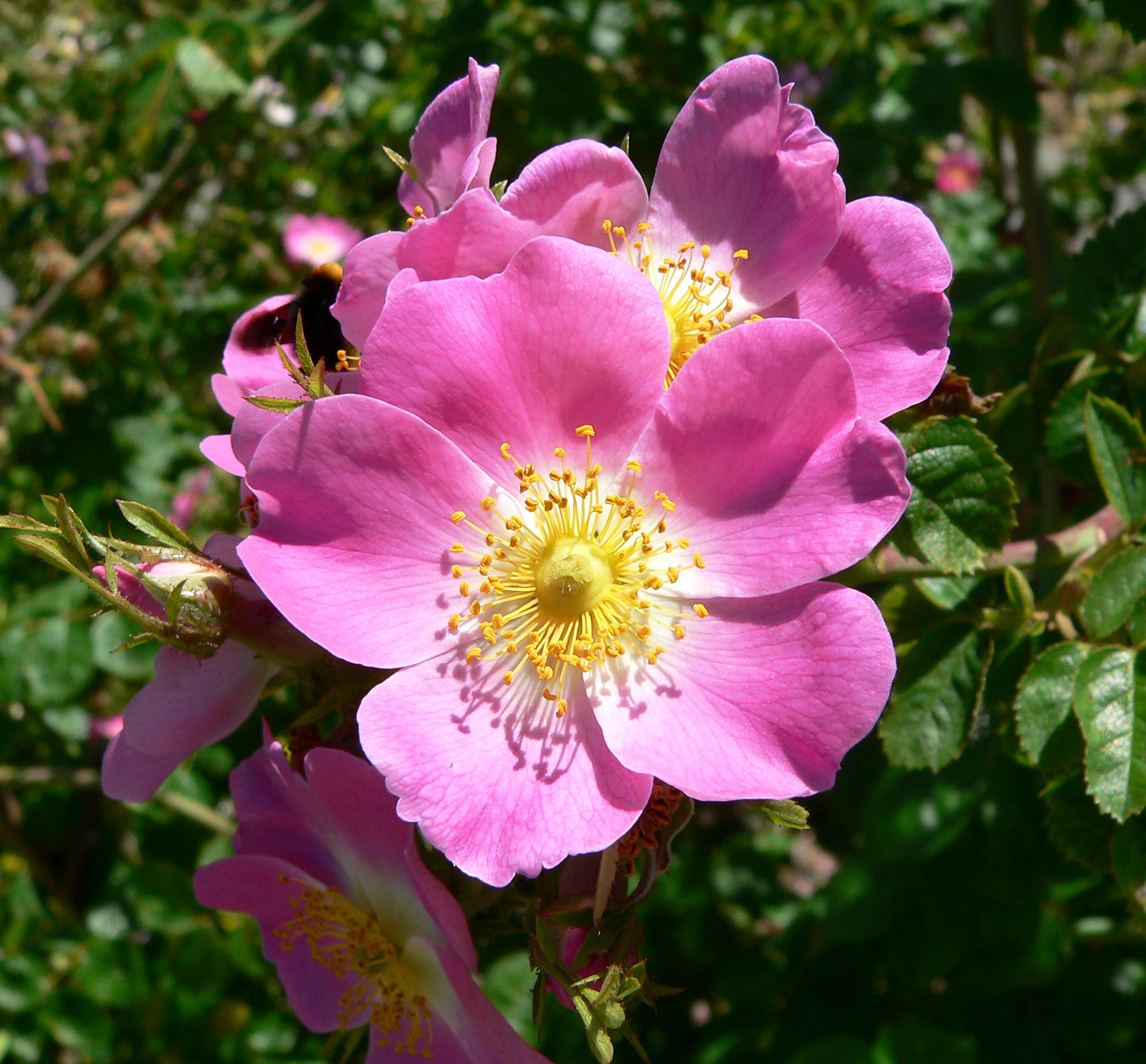
Rose
The world's best-known cut flower, with colour-specific meanings.
Colours: red, pink, white, yellow
Season: year-round
Meaning: Love, admiration, and remembrance
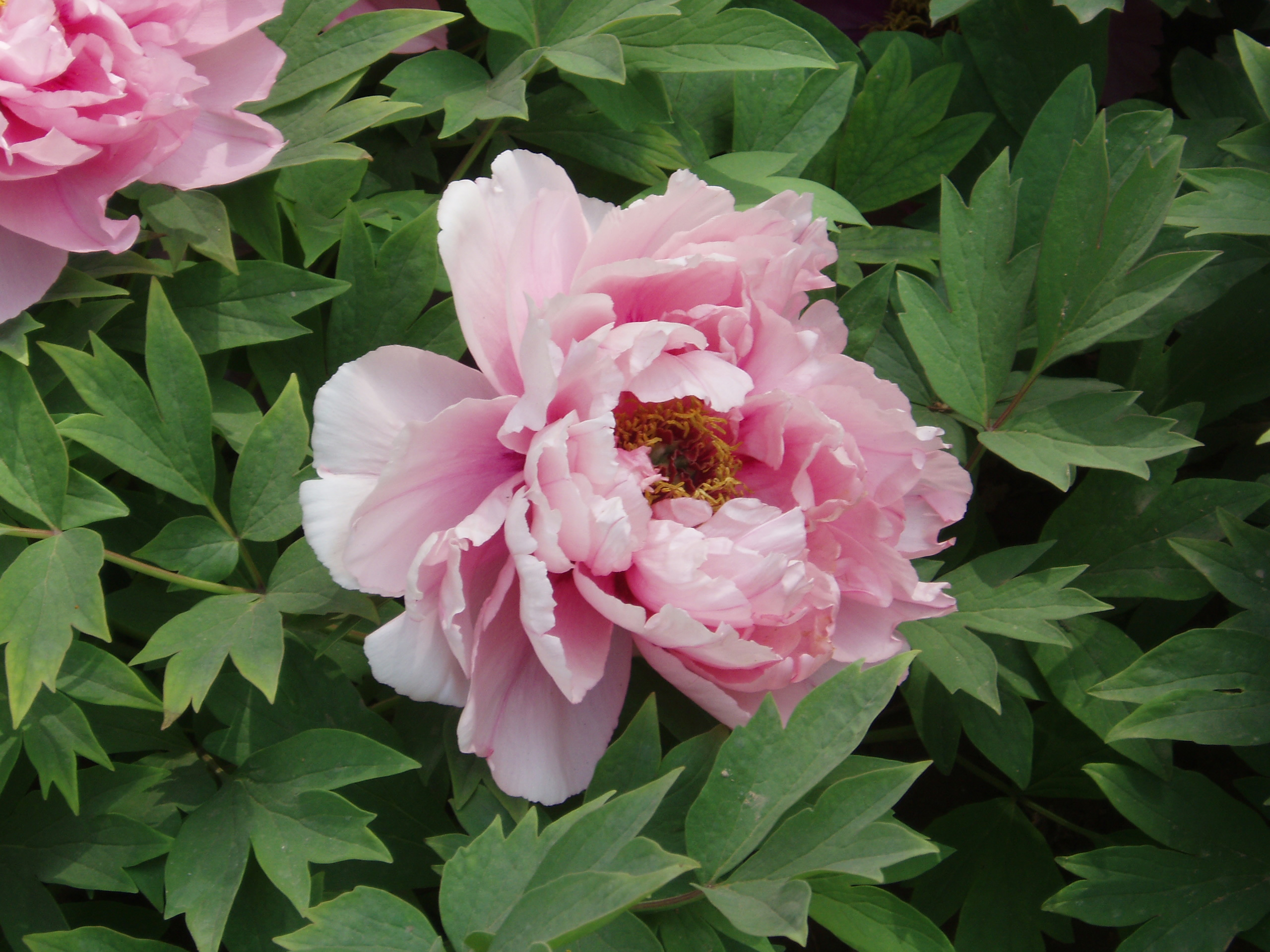
Peony
Lush, short-season bloom prized for weddings and romance.
Colours: pink, white, red, peach
Season: spring, summer
Meaning: Romance, honour, and prosperity
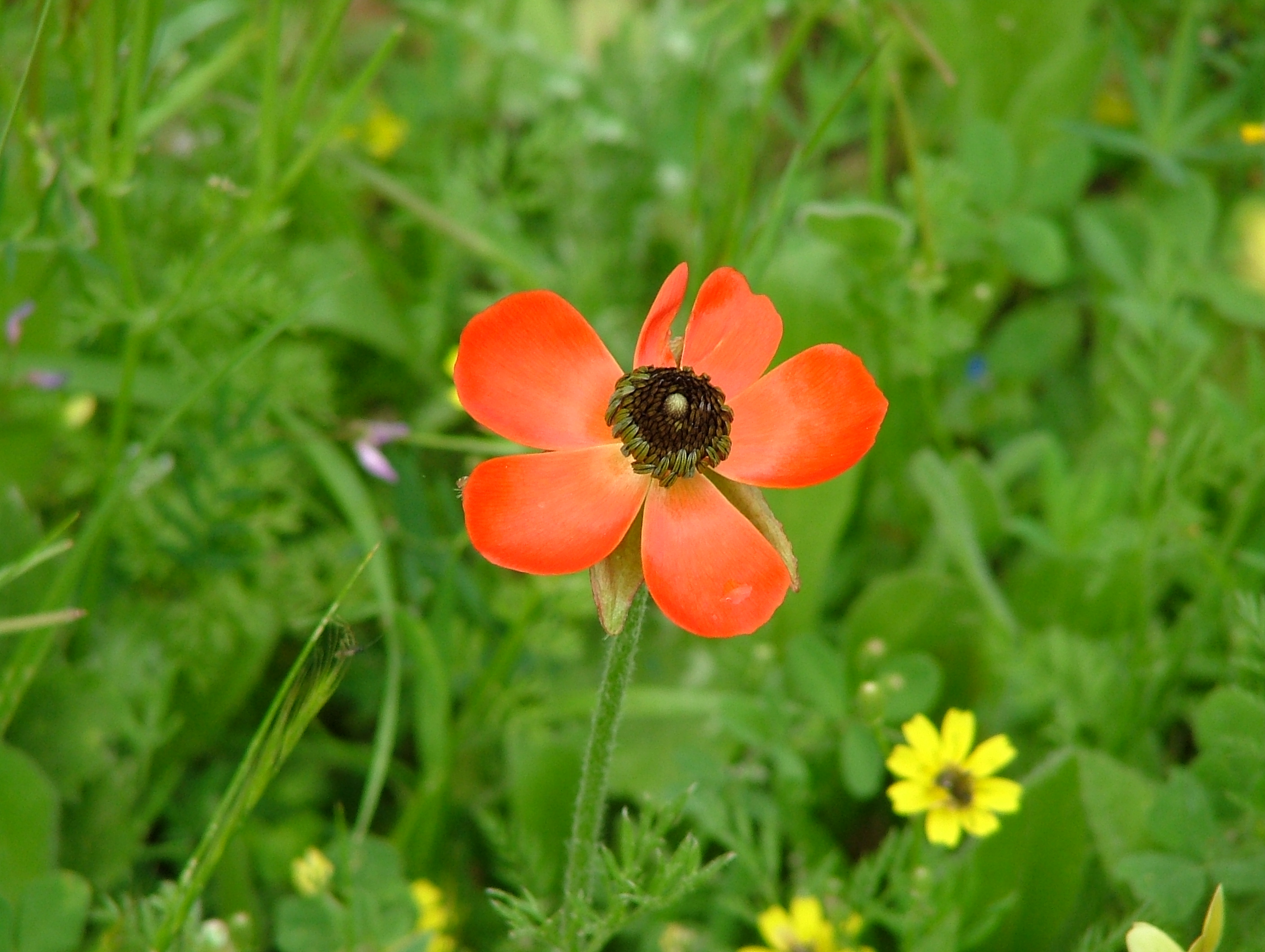
Ranunculus
Layered spring bloom often compared with peonies and roses.
Colours: pink, peach, white, yellow
Season: spring, winter
Meaning: Radiant charm
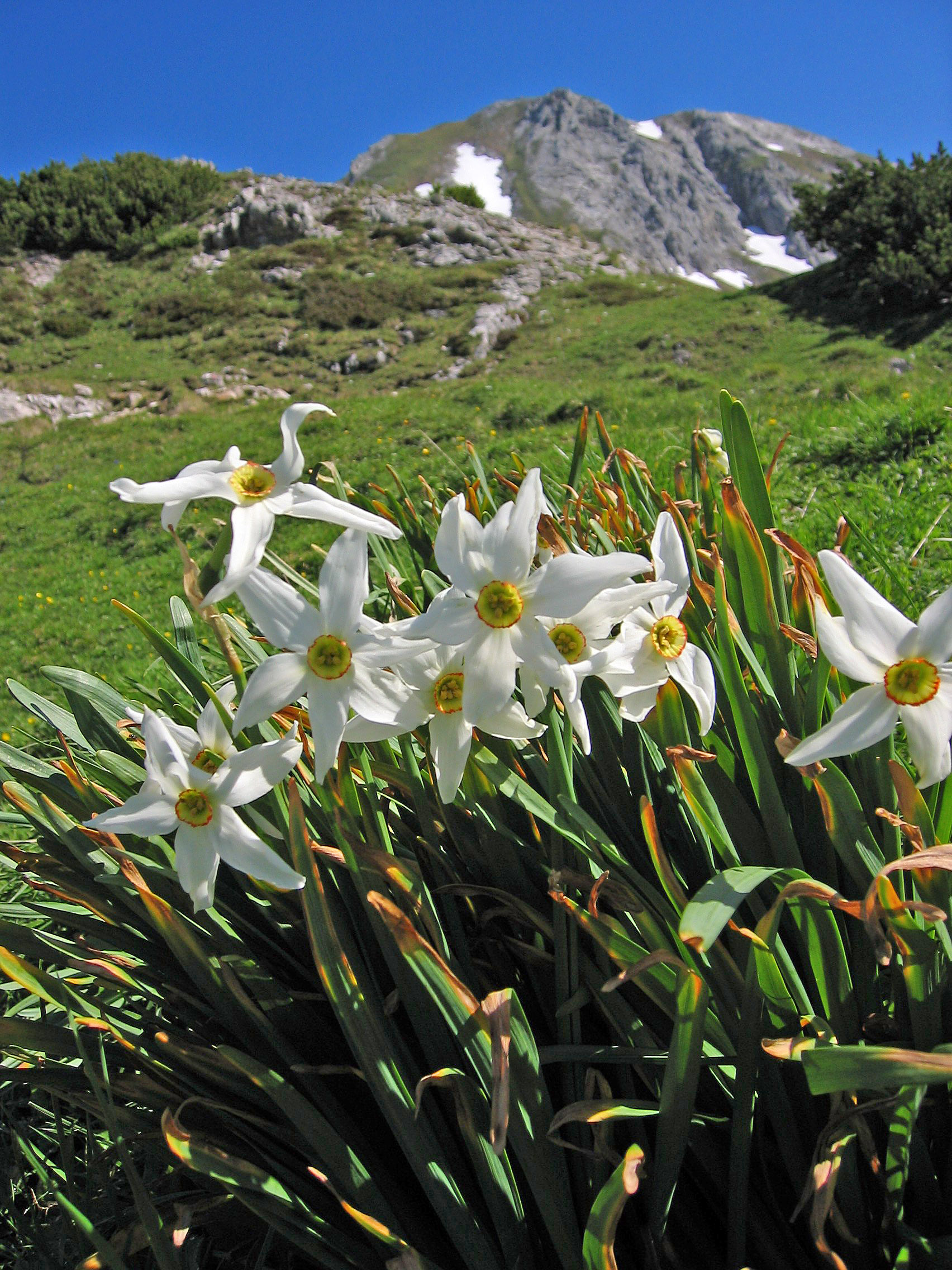
Daffodil
Iconic spring trumpet flower; keep away from other cuts when first opening.
Colours: yellow, white, orange
Season: spring
Meaning: New beginnings
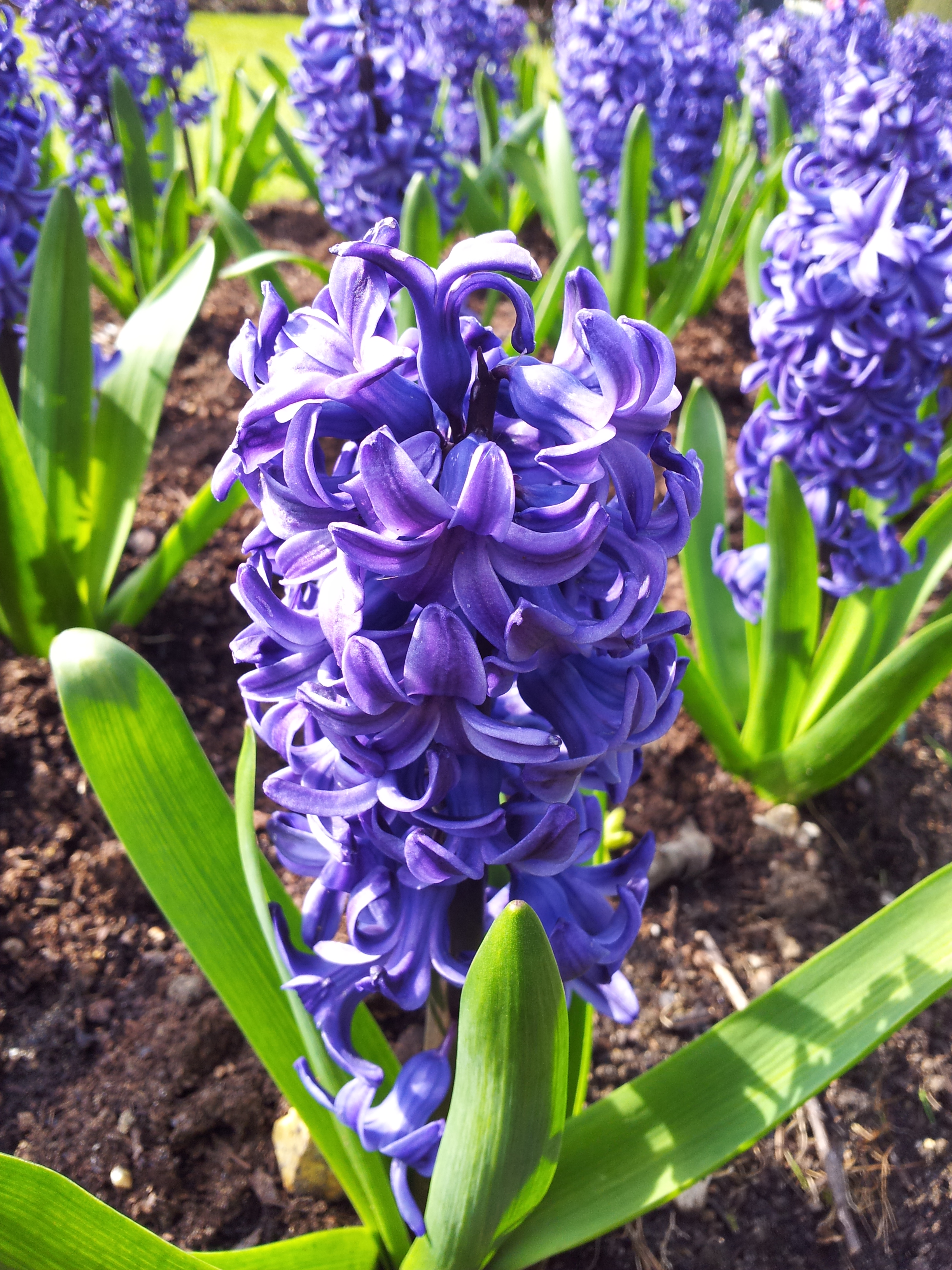
Hyacinth
Intensely fragrant spring spike, also sold as a potted bulb.
Colours: purple, pink, white, blue
Season: spring, winter
Meaning: Playfulness and constancy
Frequently asked questions
When are tulips in season?
As cut flowers, mainly late winter and spring in the Northern Hemisphere. Local garden bloom is spring. Australia’s season is roughly the opposite.
Why do tulips keep growing in the vase?
They are geotropic and phototropic — stems elongate and bend toward light after harvest. It is a normal tulip behaviour.
Are tulips safe for cats?
No. Tulips are considered toxic to cats and dogs, especially the bulbs.
Are tulips good for Mother's Day?
In the US, Mother's Day in May often still overlaps late tulip supply. In the UK, Mothering Sunday in March sits in peak tulip season.
Sources & further reading
- Royal Horticultural Society — Tulipa
- ASPCA — Tulip
- International Flower Bulb Centre / Dutch bulb industry seasonality references
Reviewed by BlossomPot Editorial Team. Updated 2026-08-16. Status: published. Editorial policy