Flower encyclopedia
Gardenia: Fragrance, Meaning & Care
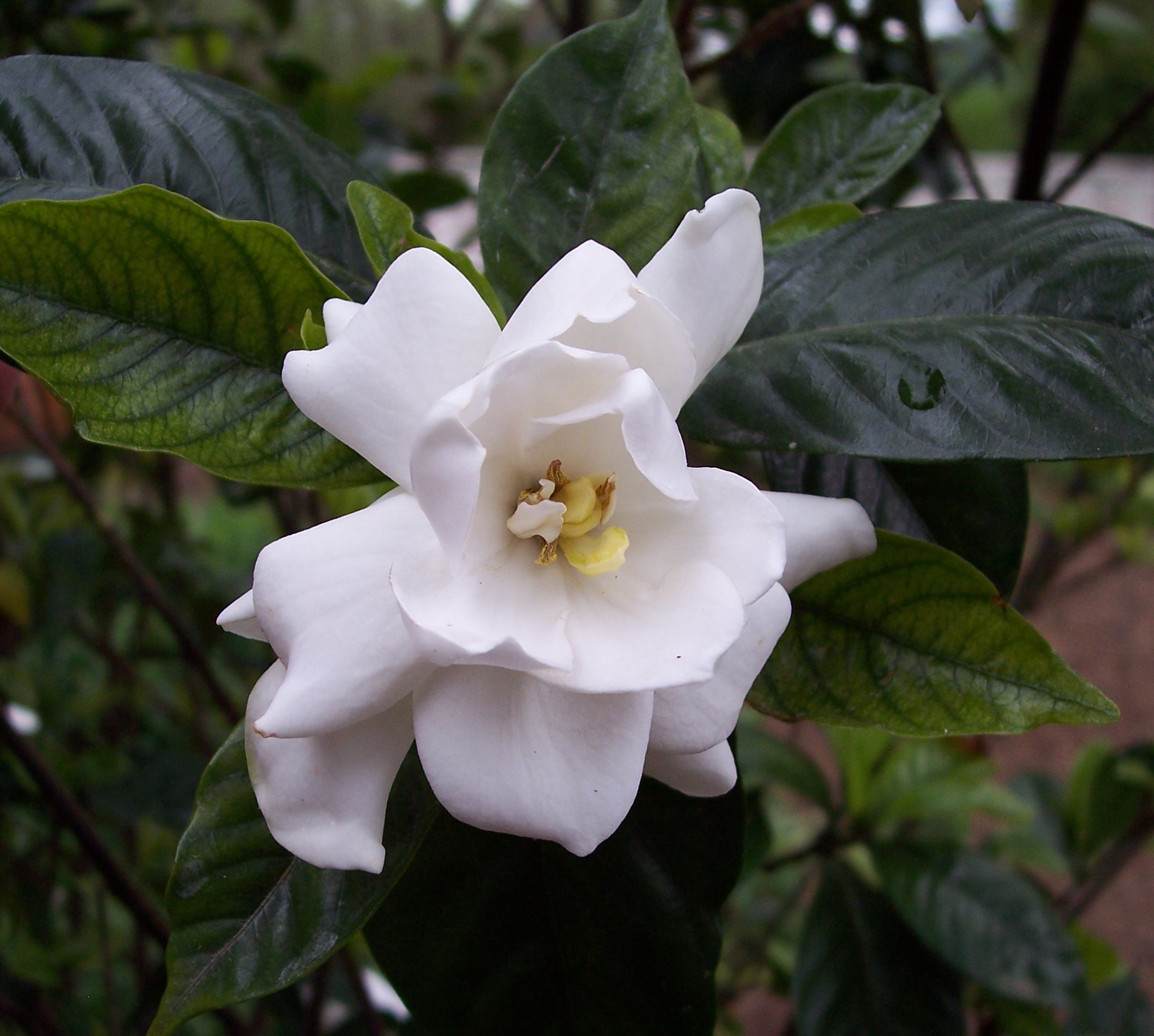
Gardenia jasminoides, native to Asia, is the common florist and houseplant gardenia.
Gardenia at a glance
Gardenias are evergreen shrubs grown for intensely fragrant, creamy flowers. As cut flowers they bruise easily and last a short time, so florists use them sparingly in corsages, hair flowers and luxury posies. They are a plant gift as often as a cut stem. Symbolism often mentions secret love and refinement.
- Flower
- Gardenia
- Botanical name
- Gardenia jasminoides
- Family
- Rubiaceae
- Colours
- Cream-white
- Typical season
- Warm-season shrub bloom; cut use is limited and luxury-priced.
- Fragrance
- Strong, sweet, jasmine-like.
- Popular for
- wedding, romantic, anniversary
- Vase life
- Short as a cut flower — often only a few days. Handle as little as possible.
What is a gardenia?
The perfume is the point. The petals brown if touched, chilled wrongly, or left dry — which is why gardenias are a specialist flower, not a grocery bunch.
Potted gardenias need humidity and bright indirect light; they are fussy indoor plants in dry heated homes.
Origin: East Asia. · Habitat: Acid, humus-rich soils in mild, humid climates.
What does a gardenia mean?
Older Western lists link gardenias with secret love, joy and refinement. In the American South they also carry regional garden identity.
Gardenia colours
Gardenia varieties
Florist gardenia
Usually double, creamy blooms wired or floated rather than bunched like roses.
When is gardenia in season?
Peak outdoor flowering is warm months. Forced plants appear at other times.
USA
Southern garden identity and a corsage classic.
UK
A luxury, often imported or glasshouse flower.
australia
Grows well in warmer Australian gardens.
canada
Mostly a luxury import or indoor plant.
europe
Glasshouse and imported luxury stem.
UAE
Indoor plant and imported corsage flower; dry air is a challenge.
How to care for gardenias
- Keep hydrated, cool and untouched. Mist lightly if the florist advises. Do not squeeze petals.
Pet safety: Gardenia is listed by the ASPCA as non-toxic to dogs and cats; still discourage chewing.
Pollen: Fragrance is the main sensitivity.
Gardenias for different occasions
- Gardenias are a 'small and special' gift, not a long-lasting office bouquet.
Shop gardenia arrangements
Browse the live catalog for bouquets and gifts that include gardenias.
View gardenia productsGardenia delivery
BlossomPot lists delivery destinations we actually publish. US city pages are gift-delivery destinations. Canada, Australia and Europe city pages explain how to send gifts from those cities to a US address — they are not local florist storefronts we do not operate.
Related flowers
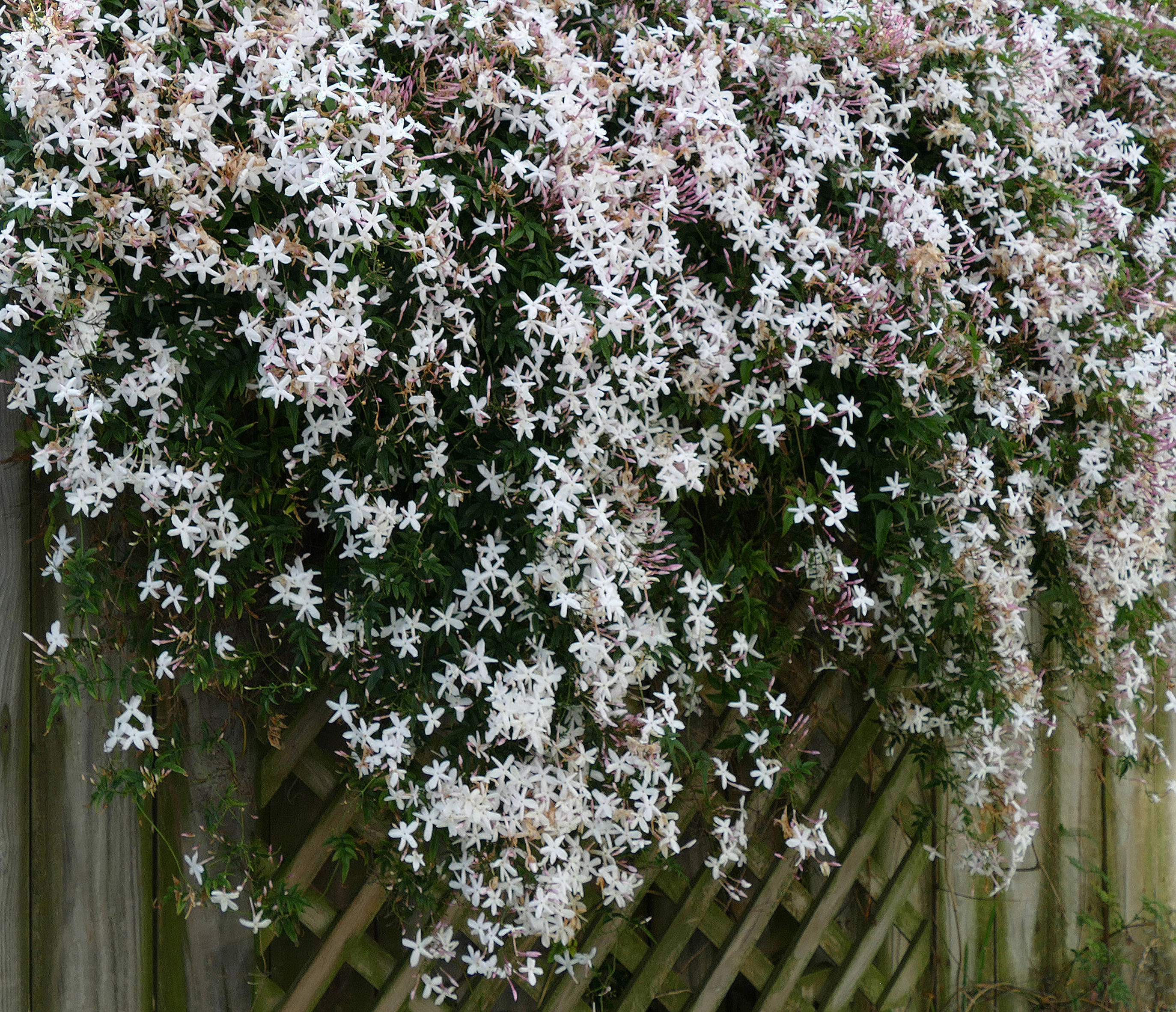
Jasmine
Night-scented vine used more in fragrance and décor than large bouquets.
Colours: white, yellow
Season: summer
Meaning: Amiability and attachment
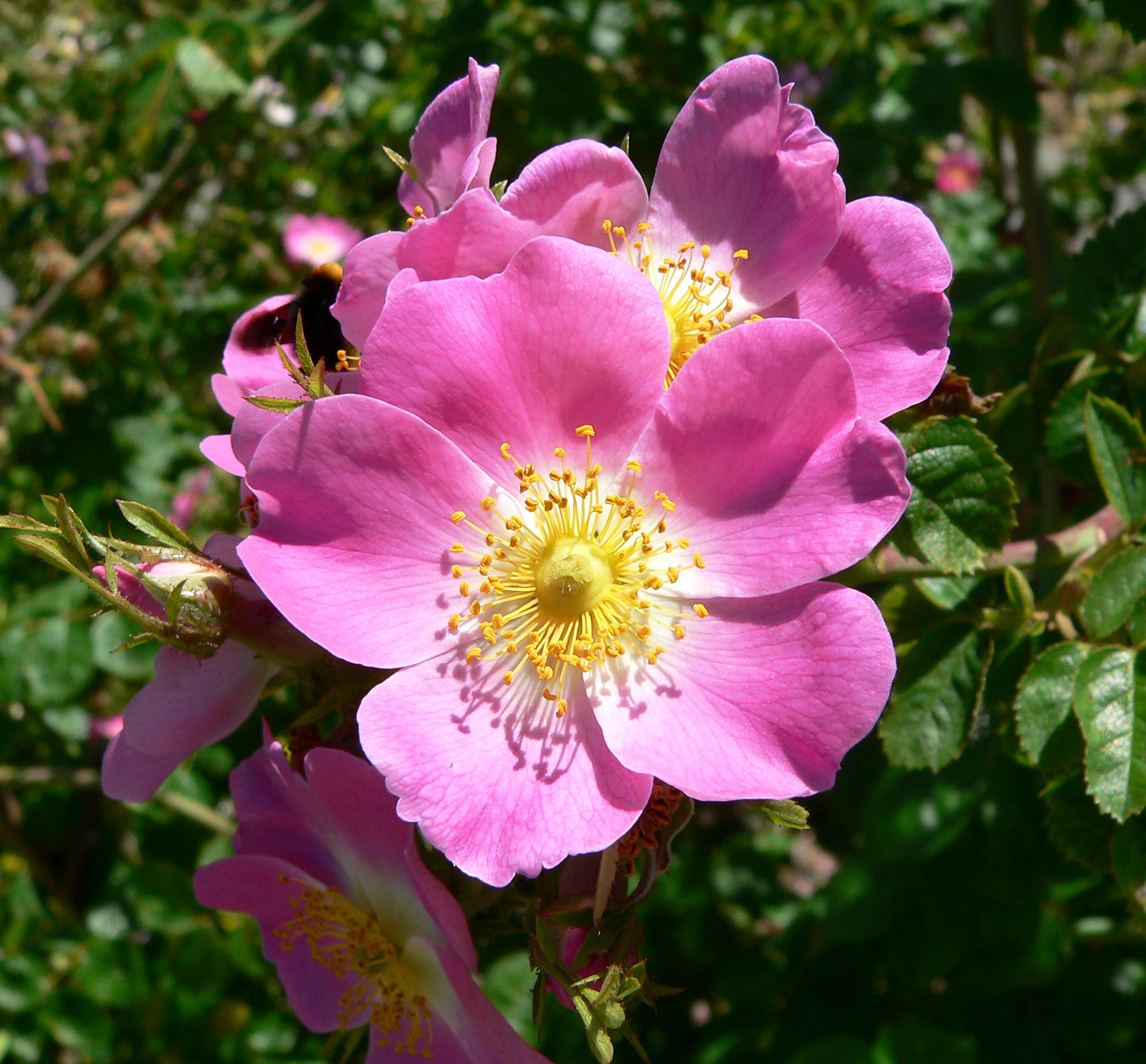
Rose
The world's best-known cut flower, with colour-specific meanings.
Colours: red, pink, white, yellow
Season: year-round
Meaning: Love, admiration, and remembrance
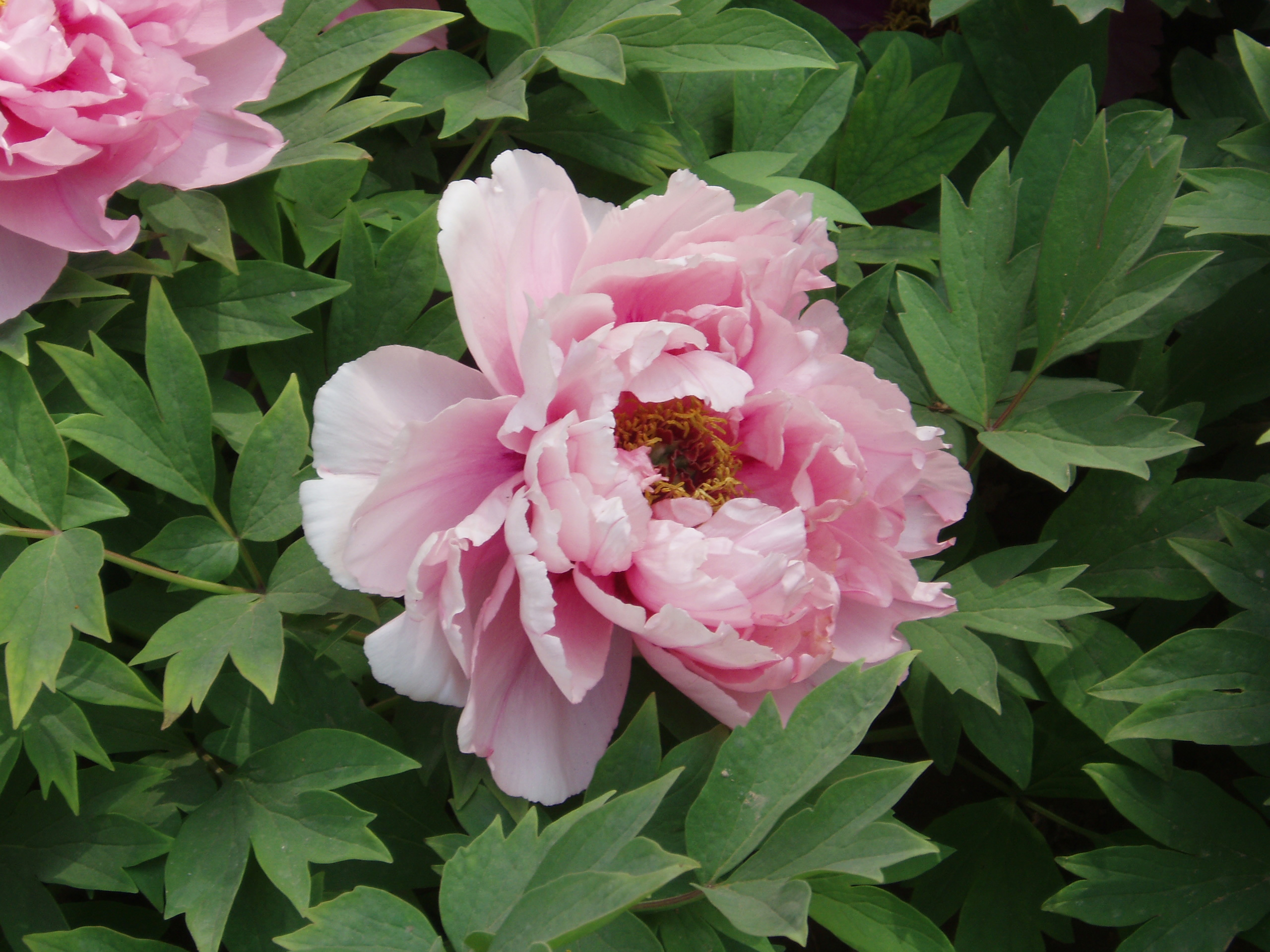
Peony
Lush, short-season bloom prized for weddings and romance.
Colours: pink, white, red, peach
Season: spring, summer
Meaning: Romance, honour, and prosperity
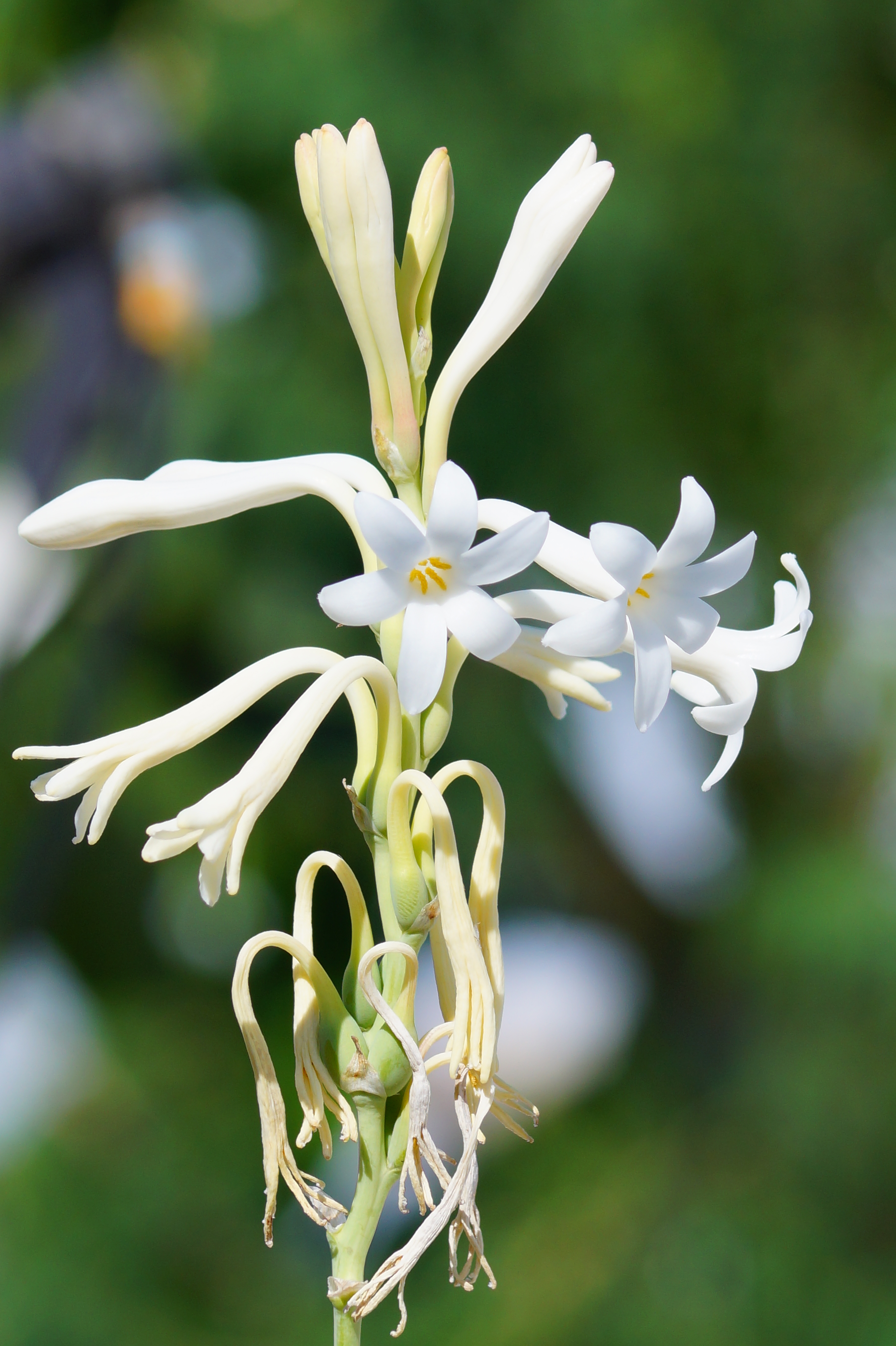
Tuberose
Intensely fragrant white spike used in luxury and evening arrangements.
Colours: white
Season: summer
Meaning: Dangerous pleasure in older floriography
Frequently asked questions
Why do gardenias turn brown?
The petals are fragile and bruise from touch, dryness or temperature swings.
Do gardenias last in a vase?
Not as long as roses. They are a short-lived luxury accent.
Sources & further reading
- RHS — Gardenia
- ASPCA — Gardenia
Reviewed by BlossomPot Editorial Team. Updated 2026-08-16. Status: published. Editorial policy